
Navigating the cannabis industry requires more than just operational knowledge—it demands a deep understanding of the ever-evolving compliance landscape, particularly in human resources (HR) and employee management. ESI PEO Services specializes in providing cannabis businesses with comprehensive HR solutions that ensure compliance with state and local regulations, while fostering a secure and efficient workplace. Whether you’re a small startup or a large-scale operation, our tailored services will keep your business compliant, efficient, and poised for growth.
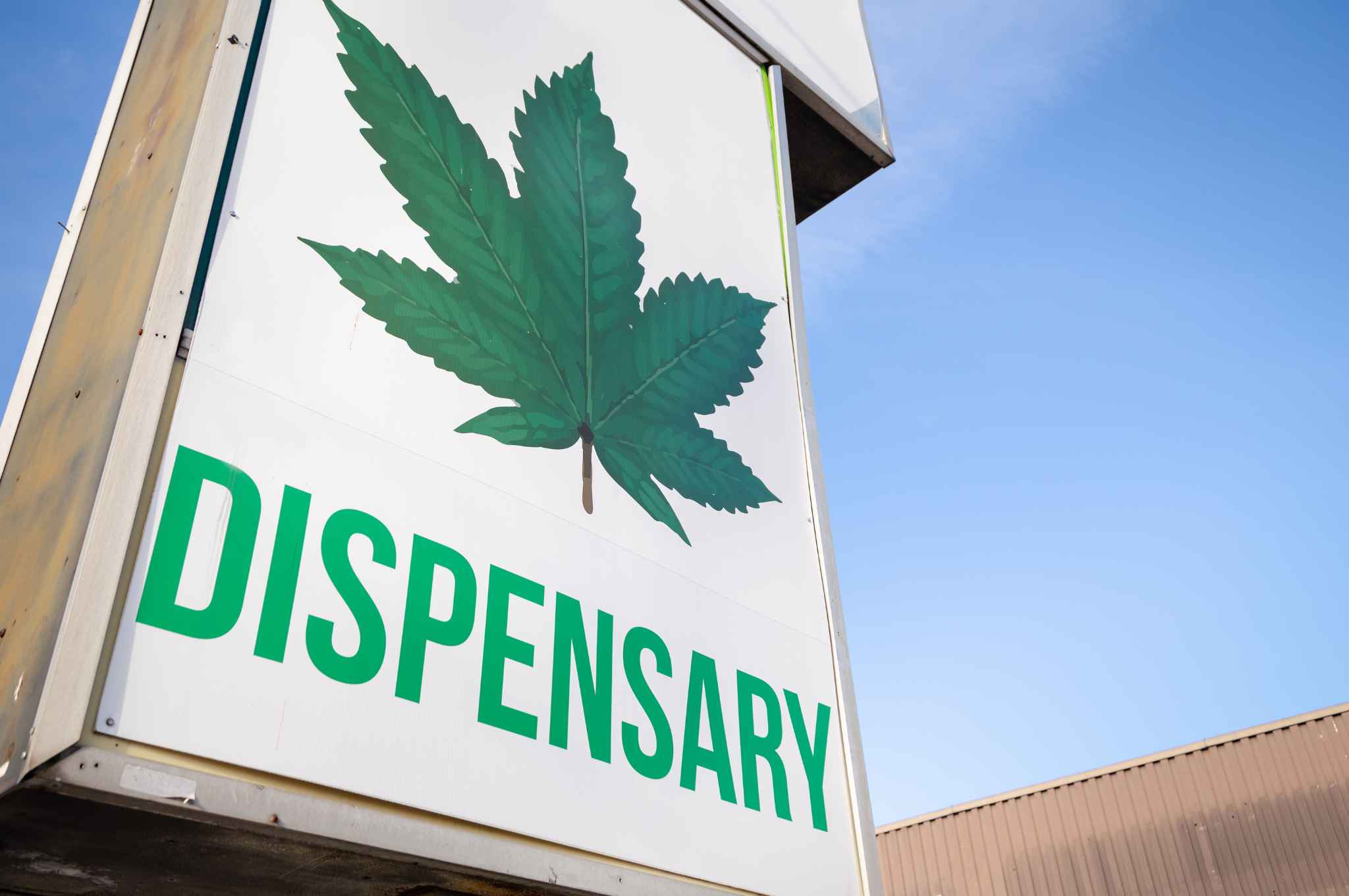

Cannabis HR services encompass a range of human resource management functions tailored specifically to the needs of businesses within the legal cannabis industry. These services address the unique regulatory, operational, and workforce challenges inherent to cannabis businesses, ensuring compliance with state and local laws while managing employee-related processes effectively.
Cannabis HR services include recruitment and staffing solutions to help businesses find qualified personnel for various roles, including cultivation, extraction, processing, and retail positions. The cannabis industry often experiences high turnover rates, particularly in entry-level and retail roles, which necessitates targeted recruitment strategies and retention efforts.
Compliance with state regulations in the cannabis industry requires stringent background checks for all employees. Cannabis HR services ensure that businesses adhere to these legal requirements by conducting thorough background screenings, verifying that candidates meet the necessary legal standards for employment in regulated cannabis operations.
Cannabis HR compliance, ensuring that cannabis businesses adhere to state, local, and federal laws governing employment practices, workplace safety, and operational regulations. Compliance in this industry is critical due to the rapidly evolving legal landscape and the strict oversight by regulatory bodies. Failure to comply can result in severe penalties, including fines, loss of licenses, or even business closure.
Regulatory Compliance Compliance with both state and local regulations is essential for cannabis businesses. Each state has its own set of laws regarding the operation of cannabis businesses, from cultivation to retail, and it is important to ensure that every aspect of the business—from hiring to operations—aligns with these legal requirements. This includes adhering to labor laws, such as minimum wage, overtime regulations, anti-discrimination laws, and ensuring workplace safety as per OSHA guidelines. States may also have specific rules around drug testing, particularly concerning cannabis use by employees.
Licensing Requirements Cannabis businesses must obtain and maintain the necessary licenses to operate legally. This includes state-level licenses for cultivation, manufacturing, and retail operations, as well as any local permits for zoning, land use, or sales. Licensing requirements vary significantly between states, with some adopting a more restrictive approach to the number of licenses available. For example, California requires licenses for each category of cannabis business, while other states may limit the number of licenses issued for certain activities, such as retail or cultivation. Additionally, all employees, particularly those handling cannabis products, must also be licensed as per state law (e.g., obtaining a MED Badge in Colorado).
Background Checks Given the nature of the cannabis industry, background checks are often required for all employees, from entry-level to management positions. This is a standard requirement in most states, and failing to comply with background check regulations can result in fines or loss of licenses. These checks ensure that employees meet state requirements and do not have disqualifying criminal convictions.
Workplace Safety Like any industry, cannabis businesses must comply with workplace safety standards, ensuring a safe environment for their employees. This includes providing regular training on handling hazardous materials, adhering to OSHA standards, and implementing policies to prevent accidents and injuries. Cannabis businesses often need to implement specialized safety protocols due to the nature of the products and equipment used in cultivation and manufacturing.
Banking and Financial Compliance Due to federal restrictions, cannabis businesses face unique challenges with banking. Partnering with financial institutions that understand the nuances of cannabis regulations is crucial for maintaining compliant payroll and financial operations. In many cases, compliance frameworks such as those provided by cannabis-focused banking services (e.g., Shield Compliance) help businesses manage financial risks and ensure adherence to federal and state laws regarding financial transactions.
Maintaining compliance in the cannabis industry is a complex, ongoing process that requires constant attention to changing laws and regulations. Cannabis HR services can provide critical support by managing licensing, background checks, workplace safety, and ensuring that businesses remain compliant with the latest regulatory developments

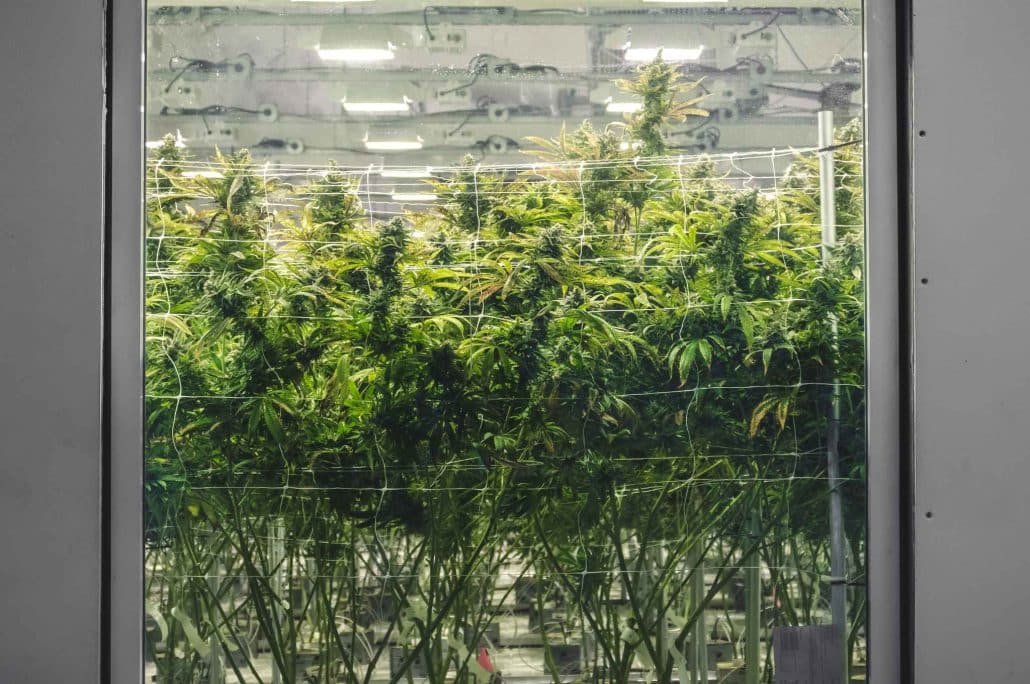
Payroll administration in the cannabis industry requires adherence to stringent state-specific payroll regulations, particularly due to the unique challenges that cannabis businesses face in terms of compliance and banking. Effective payroll management ensures not only timely payment of wages but also compliance with labor laws, tax regulations, and employee benefits administration. Cannabis businesses must implement thorough payroll solutions to maintain legal compliance and support operational efficiency.
Payroll compliance for cannabis businesses involves adhering to state-specific regulations regarding wage payments, tax withholdings, and record-keeping. The industry’s regulatory environment varies widely by state, making it crucial for companies to maintain accurate and compliant payroll processes.
Shield Compliance is a vital part of cannabis payroll administration. It helps financial institutions serving the cannabis industry manage risk, comply with regulatory requirements, and meet operational demands.
Managing employee benefits programs in the cannabis industry is a crucial aspect of payroll administration. Businesses must ensure that benefits, such as medical, dental, and retirement plans, comply with state laws and regulations.
In 2024, additional developments in cannabis banking compliance will include the establishment of a Certified Cannabis Banking Associate program. This initiative will further strengthen compliance measures and provide cannabis operators with enhanced payroll and banking services.
Through effective payroll administration, including compliance with state regulations, banking alignment, and comprehensive benefits management, cannabis businesses can streamline their HR and financial operations while minimizing risks associated with non-compliance.
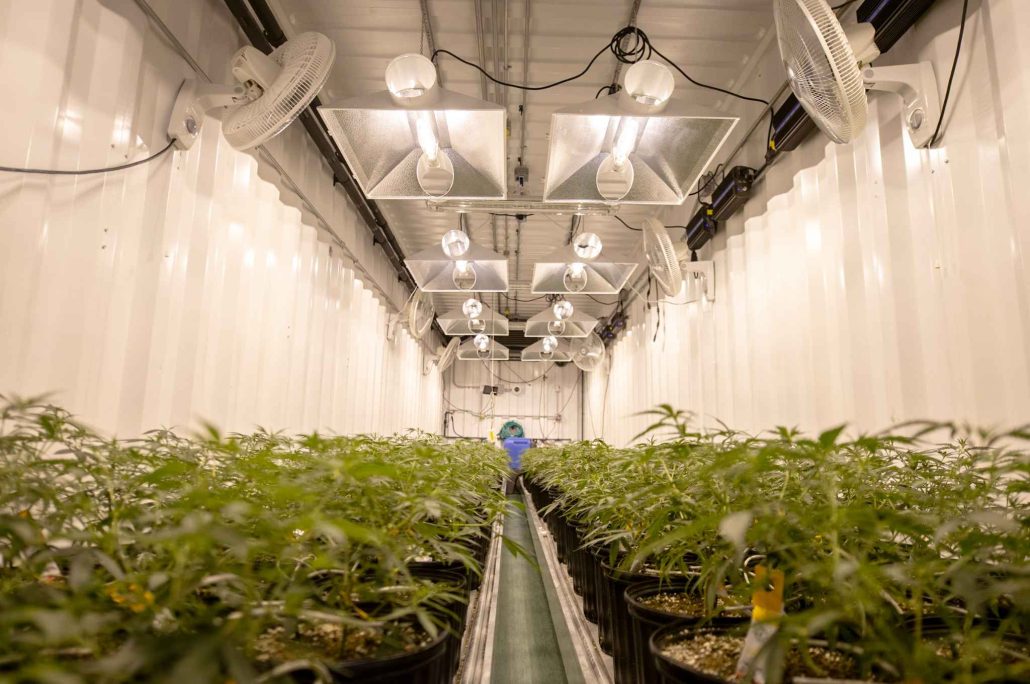
Cannabis companies face unique risks and challenges due to the highly regulated nature of the industry, which makes specialized insurance coverage essential. Insurance policies for cannabis businesses are designed to cover a wide range of risks, including legal liabilities, property damage, and operational interruptions. The following are some of the most common types of insurance coverage offered to cannabis businesses:
This coverage protects cannabis businesses from claims arising from defective products, including cannabis plants, edibles, or other products that may cause harm to consumers. Product liability insurance covers legal costs, settlements, or judgments related to these claims.
Cannabis crop insurance safeguards growers against potential losses due to natural disasters, such as fire, floods, or pests. This coverage ensures that cultivators can recover from devastating crop damage or failure, protecting their investment in cannabis cultivation.
Workers’ compensation insurance provides protection for cannabis businesses in the event that an employee suffers an injury or illness while on the job. It covers medical expenses and lost wages for employees, and shields the business from legal claims arising from workplace injuries.
As cannabis companies increasingly rely on technology for operations, cyber liability insurance becomes essential. This coverage protects businesses from losses related to data breaches, cyber-attacks, and other cybersecurity threats that could compromise sensitive customer or business data.
Commercial auto insurance covers vehicles owned or leased by cannabis companies, providing protection against accidents, property damage, or liability claims arising from the use of company vehicles.
Cargo insurance protects against losses incurred while transporting cannabis products. Whether transporting raw materials or finished products, this insurance covers damage or loss of goods in transit due to accidents, theft, or other unforeseen events.
Employee theft coverage protects cannabis businesses from losses caused by dishonest employees who steal money, inventory, or other company assets. This is particularly relevant for cannabis businesses due to the high value of cannabis products.
Equipment insurance covers the cost of repairing or replacing essential equipment used in cannabis cultivation, processing, and manufacturing. This policy helps minimize downtime and ensures business continuity in the event of equipment failure.
Equipment insurance covers the cost of repairing or replacing essential equipment used in cannabis cultivation, processing, and manufacturing. This policy helps minimize downtime and ensures business continuity in the event of equipment failure.
Umbrella insurance provides additional liability coverage beyond the limits of existing policies, such as general liability or auto insurance. This policy offers an extra layer of financial protection in the event of a large claim or lawsuit.
Key-person insurance protects a business from the financial impact of losing a key employee, such as a master cultivator or business executive. The policy provides funds to cover the cost of finding and training a replacement or managing the business in the event of the key person’s death or disability.
Cannabis bonds are required for compliance with state licensing regulations. They serve as a financial guarantee that a cannabis business will adhere to the terms of its license and state laws. Failure to comply can result in claims against the bond.
This coverage protects cannabis businesses from claims related to employment practices, such as discrimination, harassment, wrongful termination, or retaliation. Given the sensitive nature of the cannabis industry, this type of coverage helps businesses avoid costly legal battles.
Employee benefits insurance covers medical, dental, disability, and life insurance plans provided to employees. Offering competitive benefits helps cannabis companies attract and retain top talent in a competitive industry.
Business interruption insurance provides financial protection if a cannabis business is forced to shut down temporarily due to an unforeseen event, such as a fire or natural disaster. This coverage helps cover lost income and operating expenses during the downtime.
Employee benefits liability insurance covers claims related to errors or omissions in the administration of employee benefits programs, such as health insurance or retirement plans. This coverage helps protect the company from legal claims and financial loss.
Professional liability insurance protects cannabis businesses from claims related to negligence or errors in the services provided. This coverage is particularly important for consultants, advisors, and testing labs in the cannabis industry.
Cannabis businesses often require customized insurance packages tailored to their specific needs, covering multiple aspects of their operations. These packages can combine various policies, such as product liability, property insurance, and crop insurance, to provide comprehensive protection for the business.
By securing these insurance policies, cannabis businesses can mitigate risks, protect their assets, and ensure compliance with regulatory requirements, allowing them to operate smoothly in a highly regulated industry

HR training and development in the cannabis industry is crucial for ensuring that employees comply with regulatory requirements and maintain workplace safety. Training programs must focus on both regulatory compliance and occupational safety, addressing the unique needs of cannabis businesses.
Regulatory compliance training is essential for cannabis employees to meet legal standards for handling, selling, and producing cannabis products. This training ensures that all employees understand and follow state and local regulations governing cannabis operations.
Occupational safety is a critical component of HR training in the cannabis industry, where employees may handle hazardous materials and operate specialized equipment. Safety training helps prevent workplace accidents and ensures compliance with Occupational Safety and Health Administration (OSHA) standards.
By focusing on both regulatory compliance and safety, cannabis businesses can ensure that their employees are well-trained, compliant, and able to contribute to a safe and legally sound workplace.

Still doing your own payroll? Tasks involved with Payroll and Employee Administration are purely transactional events.

At eESI, our business is all about assisting with the management of any organization’s most valuable resource: people.

A benefit package can be a major incentive to lure the best new talent to your workforce and keep your current employees happy.

Risk is a basic part of business. As a co-employer we work to eliminate, mitigate or share your associated legal liabilities.

eESI continuously utilizes the latest in technological advances through online and mobile solutions to make your life easier.
Tell us what’s on your mind! Share your top employment priorities, and we’ll connect you with the right expert to provide tailored insights.

Still doing your own payroll? Tasks involved with Payroll and Employee Administration are purely transactional events.

At ESI, our business is all about assisting with the management of any organization’s most valuable resource: people.

A benefit package can be a major incentive to lure the best new talent to your workforce and keep your current employees happy.

Risk is a basic part of business. As a co-employer we work to eliminate, mitigate or share your associated legal liabilities.

ESI continuously utilizes the latest in technological advances through online and mobile solutions to make your life easier.