
Texas heat isn’t just uncomfortable. For construction crews, drivers, warehouse teams, and field techs, it’s a real operational risk that can lead to heat exhaustion, heat stroke, serious injuries, and preventable downtime.
Nationally, workplace heat exposure has been linked to hundreds of worker deaths over time, and regulators are paying closer attention to what employers are doing to prevent heat illness. In April 2026, OSHA also updated its National Emphasis Program on outdoor and indoor heat hazards, signaling continued inspection focus in high risk industries.
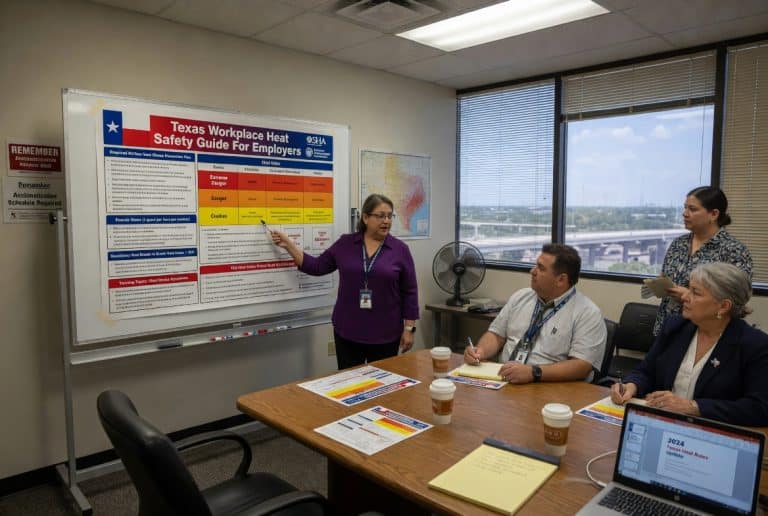
This guide breaks down what Texas employers should do now to protect employees and reduce risk, especially in construction, logistics, and outdoor operations.
Why Heat Safety And Risk Management Matters For Texas Employers?
Heat incidents aren’t “random.” They’re often predictable failures in planning and supervision, like no acclimatization process for new hires, inconsistent break schedules, or supervisors unsure how to spot early symptoms.
The business impact shows up fast
- Medical events and workers comp claims that can increase total cost of risk
- Crew downtime when one incident disrupts an entire jobsite or route
- Turnover when employees feel you’re not protecting them
- Regulatory exposure if an incident triggers an OSHA inspection under heat focused enforcement
NIOSH recommends employers treat heat stress as a workplace hazard and build controls into daily operations, not just posters on the wall.
ESI angle to include in a separate post
ESI helps employers operationalize risk management through HR support, payroll structure, and safety program tools as part of a comprehensive PEO model.
What OSHA Expects In Texas Right Now?
Texas is not an OSHA state plan state, so most private employers operate under federal OSHA jurisdiction. Even before a final federal heat standard, OSHA can cite employers using the General Duty Clause and related standards when heat is a recognized hazard and controls are not in place.
Key point for 2026
- OSHA’s heat rulemaking is still in process (public hearing concluded July 2, 2025 and post hearing comments closed Oct 30, 2025).
- Enforcement is not “on hold.” OSHA’s heat emphasis and guidance remain active, including the updated NEP issued in April 2026.
What regulators consistently look for
- A written plan and clear supervisor accountability
- Water, rest, and access to shade or cool down areas
- Acclimatization for new and returning workers
- Training on symptoms and emergency response
Texas specific nuance
Texas House Bill 2127 sparked attention because it can limit local ordinances, including those that had mandated water breaks in some cities. Regardless of city rules, employers still own the duty to protect workers from heat hazards.
Common Heat Safety Gaps To Review In Construction and Logistics
If you want fewer incidents this summer, these are the gaps to close first.
On jobsites and outdoor crews
- New hire “thrown in the deep end” with no ramp up
- No defined trigger points for extra breaks as the heat index rises
- Water is “available” but not practically accessible during the shift
- Supervisors don’t document actions taken when conditions change
In logistics and warehousing
- Hot trailers and non cooled zones treated as “normal”
- Peak workload scheduled during peak heat hours
- Drivers not trained on heat symptoms or what to do if they feel off route
- No check in process for solo workers
OSHA and NIOSH both emphasize planning, training, monitoring, and practical controls, not just general awareness.
Build a Heat Illness Prevention Plan You Can Defend
A defensible heat program is simple, repeatable, and jobsite ready. OSHA’s guidance points to core elements like monitoring conditions, acclimatization, work rest schedules, a buddy system, and emergency protocols.
Step 1 Set clear trigger points
Use a consistent method across sites, typically the heat index plus workload and PPE burden. When risk rises, your plan should automatically increase controls.
Step 2 Formalize water rest shade
OSHA’s messaging is straightforward: water, rest, shade. Break frequency should increase as heat stress rises.
Step 3 Run acclimatization like a process not a suggestion
New hires, returning workers, and crews coming off indoor assignments need a gradual ramp. Make it a supervisor owned checklist.
Step 4 Train supervisors and workers for recognition and response
Train for early symptom recognition and clear escalation, including when to stop work and call for medical help.
Step 5 Document what you did
If an incident happens, documentation matters. Daily logs can include heat index, break schedule adjustments, water access checks, and any symptoms reported.
Payroll Benefits And Compliance Questions To Ask Before Temperatures Spike
Heat safety is a workforce system problem, not just a safety problem. These questions help you identify hidden exposure.
Payroll and timekeeping
- Are rest breaks paid and consistently tracked across crews and locations
- Are you using piece rate or production incentives that discourage breaks
- Do supervisors have authority to slow production without penalty
Benefits and employee support
- Do you have an EAP or benefit education that encourages early reporting
- Are employees afraid they’ll be sent home or lose hours if they speak up
Policy and accountability
- Who owns the heat plan on each site
- How do you handle subcontractors and temporary labor on your sites
If you’re operating in a co employment model, remember the client retains day to day worksite safety control, so your internal accountability still matters even when you have outside support.
Where PEO Support Can Simplify Heat Safety In The Real World
Most employers don’t need more information. They need a system that sticks when it’s 102 degrees and the crew is behind schedule.
A PEO model is built to integrate the moving parts
- Payroll and HR support
- Workers comp and risk management
- Compliance support and documentation processes
ESI specific support examples you can point to
- Risk management training and safety manuals offered as part of the solution set
- Practical frameworks that help small and mid sized employers run HR, payroll, and risk management without building a large internal department
Industry data also shows employers often turn to PEOs for help with risk, compliance, and operational consistency, especially when internal capacity is limited.
Workplace Heat Safety FAQs
What is the best Texas workplace heat safety guide for employers to follow?
Start with OSHA and NIOSH guidance and build a written heat illness prevention plan with water rest shade, acclimatization, training, and emergency response.
Does Texas have a specific heat safety law for private employers?
Texas does not run an OSHA state plan for private employers, so most private workplaces follow federal OSHA requirements and enforcement expectations.
Can OSHA cite employers for heat illness in Texas even without a final heat standard?
Yes. OSHA can cite under the General Duty Clause and related standards when heat hazards are recognized and not controlled.
What changed with OSHA heat enforcement in 2026?
OSHA updated its National Emphasis Program for outdoor and indoor heat hazards in April 2026, reinforcing inspection focus in high risk industries.
What should a heat illness prevention plan include?
Monitoring conditions, acclimatization, work rest schedules, water access, shade or cool down areas, a buddy system, and emergency protocols.
How do we protect warehouse employees from indoor heat?
Treat hot zones like a safety hazard, increase hydration access, adjust schedules, add ventilation or cooling strategies, and monitor symptoms during peak heat days.
How long does acclimatization take for new hires?
Plan for a gradual ramp over multiple days. The point is structured exposure increases, not full workload on day one.
What are the first signs of heat illness supervisors should watch for?
Early warning signs can include dizziness, headache, heavy sweating, nausea, cramps, confusion, and unusual fatigue. Train supervisors on response steps.
Should heat breaks be paid?
This depends on your pay practices and applicable rules, but from a risk standpoint, many employers treat safety breaks as paid time to reduce underreporting and improve compliance defensibility.
How can a PEO help with heat safety?
A PEO can support risk management systems, training resources, and documentation workflows while integrating payroll and HR processes. ESI also includes risk management training and safety manual support as part of its offering.
How ESI Supports Workplace Heat Safety
Texas summer heat is predictable. Heat illness is preventable. The employers who perform best in June through September don’t rely on “common sense” alone. They build a heat plan that supervisors can execute, workers can trust, and leadership can defend.
If you want help turning heat safety into a repeatable system across jobsites and locations, ESI can help you align safety program basics with HR, payroll, workers comp, and documentation support.
Email: HR@eESIpeo.com


